Student research, ecological conservation and applied mycology at the Reffwngiwm
Are you a university student looking for an interesting research project in ecology, conservation biology, mycology or environmental science?
The Reffwngiwm, based at Coed Talylan in the Bannau Brycheiniog National Park, Carmarthenshire, welcomes enquiries from undergraduate, postgraduate and doctoral students interested in undertaking fieldwork, dissertations and independent research.
We are developing a fungi-centred woodland conservation project that brings together ecological restoration, biodiversity monitoring, applied mycology and community participation.
We believe there are many interesting research questions arising from this work and would like to make our woodland, facilities and practical experience available to students and researchers interested in investigating them.
We are particularly interested in research that contributes to a better understanding of woodland ecosystems and helps inform practical approaches to conservation and restoration.
About the site
Coed Talylan is a community land project encompassing approximately 26 acres of woodland, including areas of plantation forestry, regenerating native woodland, veteran trees and diverse deadwood habitats.
Through the Reffwngiwm, we are working to improve woodland biodiversity, develop ecological restoration practices and establish a better understanding of the fungi inhabiting the woodland.
Alongside our conservation work, we have over a decade of experience in mushroom cultivation and are developing facilities for native tree propagation, with a particular interest in mycorrhizal fungi.
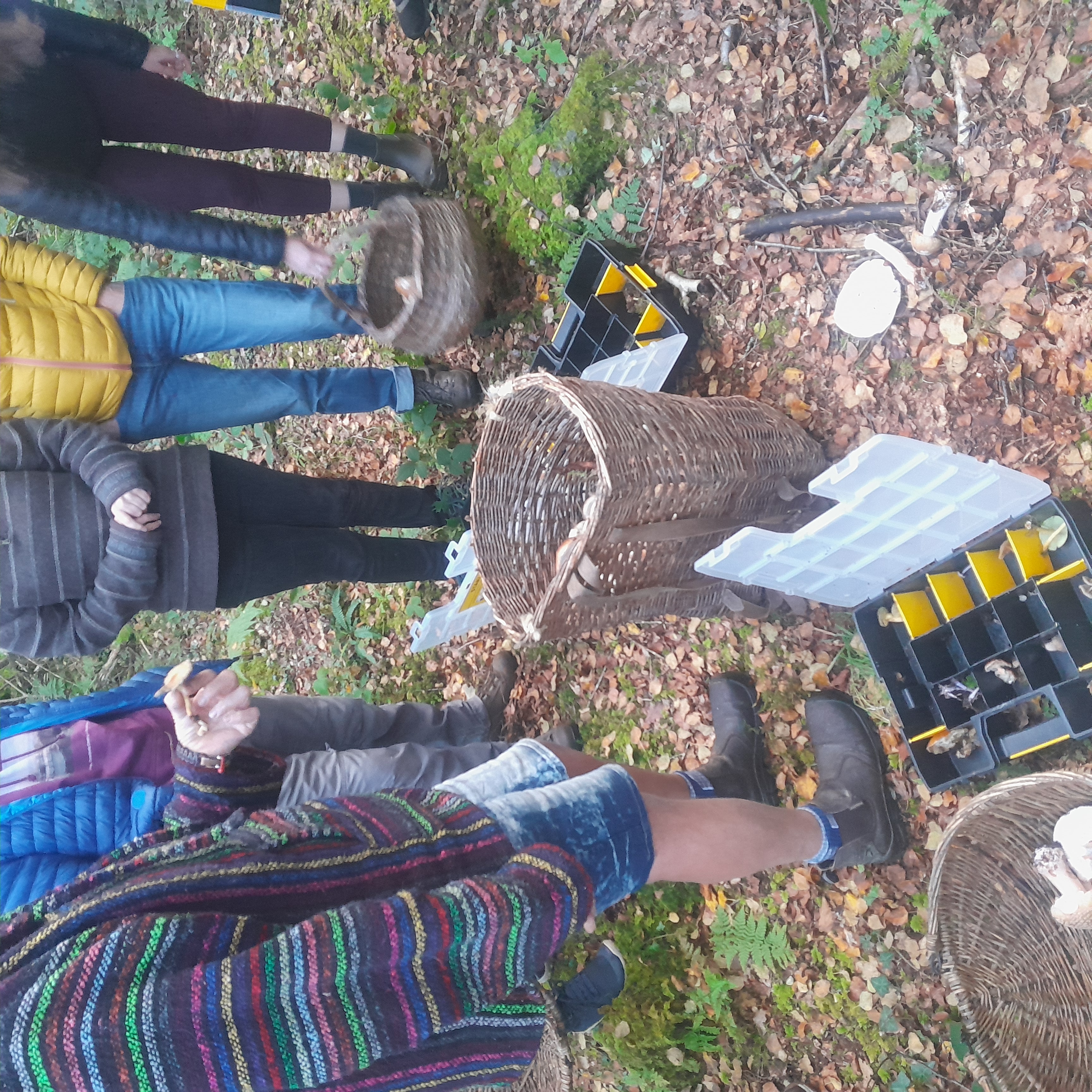
Our activities include regular fungal surveys, woodland management, habitat restoration, experimental cultivation and community engagement.
Together, these provide opportunities for both short-term student projects and longer-term ecological research.
Research themes and questions
We are particularly interested in the following areas, although we welcome proposals exploring other relevant subjects.
1. Fungal biodiversity and woodland ecology
Understanding the fungal communities inhabiting our woodland and how they respond to changes in habitat and management.
Potential research questions include:
- How does fungal diversity differ between plantation woodland and regenerating native woodland?
- How do deadwood type, size and decay stage influence fungal communities?
- What are the relationships between woodland structure, soil conditions and fungal diversity?
- How can fungal biodiversity be effectively monitored through traditional field surveys and molecular identification?
2. Woodland restoration and conservation
Investigating approaches to restoring native woodland biodiversity, particularly within former plantation forestry.
Questions include:
- How do different woodland management practices influence fungal diversity?
- What role does deadwood retention play in restoring woodland ecosystems?
- How do fungal communities change as plantation woodland develops towards more diverse native woodland?
- Which ecological indicators are most useful for monitoring woodland restoration?
3. Mycorrhizal fungi and native tree propagation
We are developing a native tree nursery with a particular interest in the relationships between trees and their mycorrhizal partners.
Potential research includes:
- Can locally sourced mycorrhizal inoculants improve the growth and establishment of native tree seedlings?
- How do different propagation substrates influence mycorrhizal colonisation?
- How do naturally occurring mycorrhizal communities compare with those established through inoculation?
- What are the most effective methods for propagating trees while retaining beneficial native fungal associations?
4. Applied mycology and fungal conservation
We are interested in how practical fungal cultivation techniques might contribute to ecological conservation.
Potential research questions include:
- How can native fungal strains be isolated, propagated and maintained for conservation purposes?
- What are the opportunities and ecological risks associated with introducing cultivated fungi into natural environments?
- Can locally sourced fungal cultures contribute to habitat restoration?
- What methods could support the development of a conservation-focused collection of native fungal cultures?
5. Soil ecology and sustainable growing substrates
Investigating relationships between soil microorganisms, organic matter, growing substrates and plant health.
Possible areas of research include:
- The development of locally produced, peat-free propagation substrates.
- The influence of different organic materials on soil fungal communities.
- The potential of woodland leaf litter and other locally available materials for sustainable propagation.
- Interactions between fungal communities, soil structure and nutrient cycling.
6. Community participation and citizen science
Our regular fungal forays and conservation activities provide opportunities to investigate the role of community participation in ecological research.
Possible questions include:
- How effectively can volunteer-led fungal surveys contribute to biodiversity recording?
- What approaches improve the accuracy and consistency of citizen-science records?
- How does participation in practical conservation influence people’s understanding of fungi and woodland ecology?
What can we offer?
Depending on the nature of the project and the resources available, we may be able to provide:
- Field research opportunities: Access to woodland habitats, restoration areas and ongoing conservation activities.
- Practical facilities: Mushroom cultivation equipment, microscopes, specimen examination facilities and other resources relevant to applied mycology.
- Local knowledge: Experience of woodland management, fungal ecology, mushroom cultivation and ongoing restoration work.
- Existing activities: Opportunities to participate in fungal surveys, conservation volunteering and other practical projects.
- Research collaboration: Opportunities to develop research questions that contribute directly to our conservation objectives.
We welcome projects involving field observation, laboratory work, experimental cultivation, ecological monitoring and interdisciplinary research.
Who can apply?
We welcome enquiries from:
Undergraduate students (BSc) looking for dissertation projects, fieldwork opportunities or independent studies.
Postgraduate students (MSc and MRes) seeking opportunities for experimental research, ecological surveys and applied conservation projects.
Doctoral researchers (PhD) interested in developing longer-term research partnerships or incorporating the Reffwngiwm into broader research programmes.
University researchers and academic supervisors interested in collaborative research, student projects or using the site for teaching and fieldwork.
Projects would normally be undertaken through the student’s university, with academic supervision provided by their institution.
Research proposals would be considered individually, taking into account their relevance, practical requirements, ecological impacts and available resources. Appropriate permissions, risk assessments and insurance would need to be agreed before work begins.
Interested in conducting research here?
We would be delighted to hear from students, supervisors and researchers who think the Reffwngiwm could provide a suitable location for their work.
You are welcome to propose a project based on one of the research questions above or approach us with your own ideas.
When getting in touch, please tell us a little about your academic background, area of interest, proposed research and the support or facilities you might need.
We are especially interested in projects that can contribute useful findings to our ongoing woodland conservation work.
Get in touch to discuss research opportunities at the Reffwngiwm.