
Practical workshops and collaborative experiments exploring how fungi can contribute to more productive, resilient and resource-efficient horticulture.
Are you a grower interested in experimenting with fungal ecology, soil health and ways to reduce reliance on external inputs? Farming with Fungi is bringing together market gardeners, small-scale farmers and other interested growers to investigate practical uses of fungi in horticulture.
We want to develop a collaborative research programme in which participants help shape the questions, trial approaches on their own growing sites and share what they discover. The aim is to find out what works in real growing conditions — and just as importantly, what does not.
Register your interest in the research programme
Three practical investigations
1. Growing our own mycorrhizal inoculants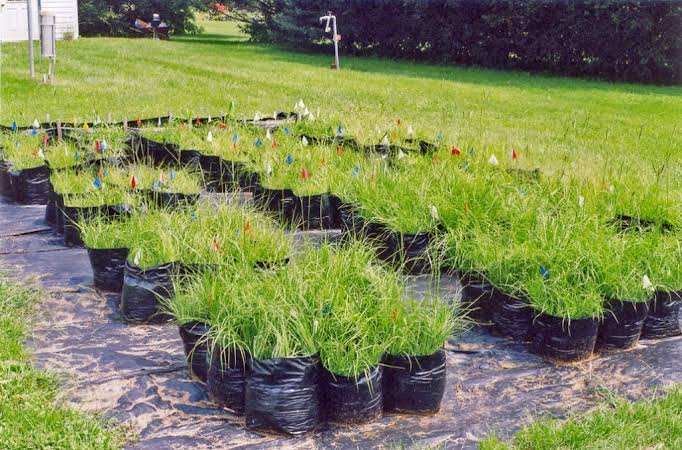
Arbuscular mycorrhizal fungi (AMF) live in association with the roots of many crops. In return for carbon supplied by plants, they can help acquire nutrients from the surrounding soil. But applying an inoculant does not automatically improve crop growth: the result depends on the crop, soil and existing fungal community.
We will explore methods of propagating locally occurring AMF with living host plants, drawing on established on-farm techniques. A particular experiment is whether locally produced biochar can replace vermiculite in the growing medium used to produce inoculum.
Together we could compare different growing media, examine colonised roots and test whether applying the resulting inoculants makes a measurable difference to vegetable crops.
2. Exploring indigenous Trichoderma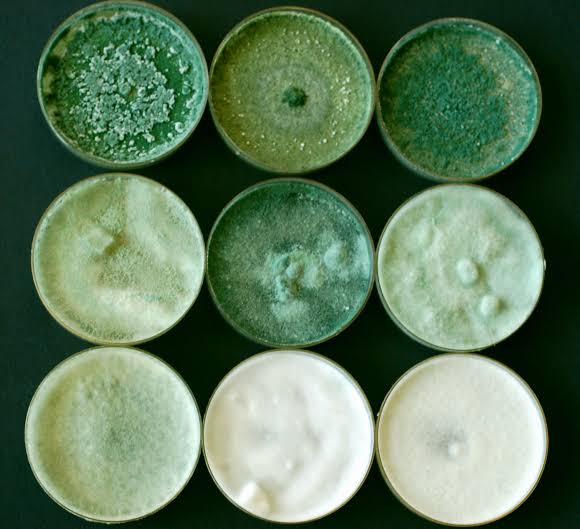
Trichoderma fungi are widespread in soils and decaying organic matter. Some strains can compete with plant pathogens, parasitise other fungi or influence plant growth. However, these effects are strain-specific: identifying a fungus as Trichoderma is not enough to show that it will be beneficial.
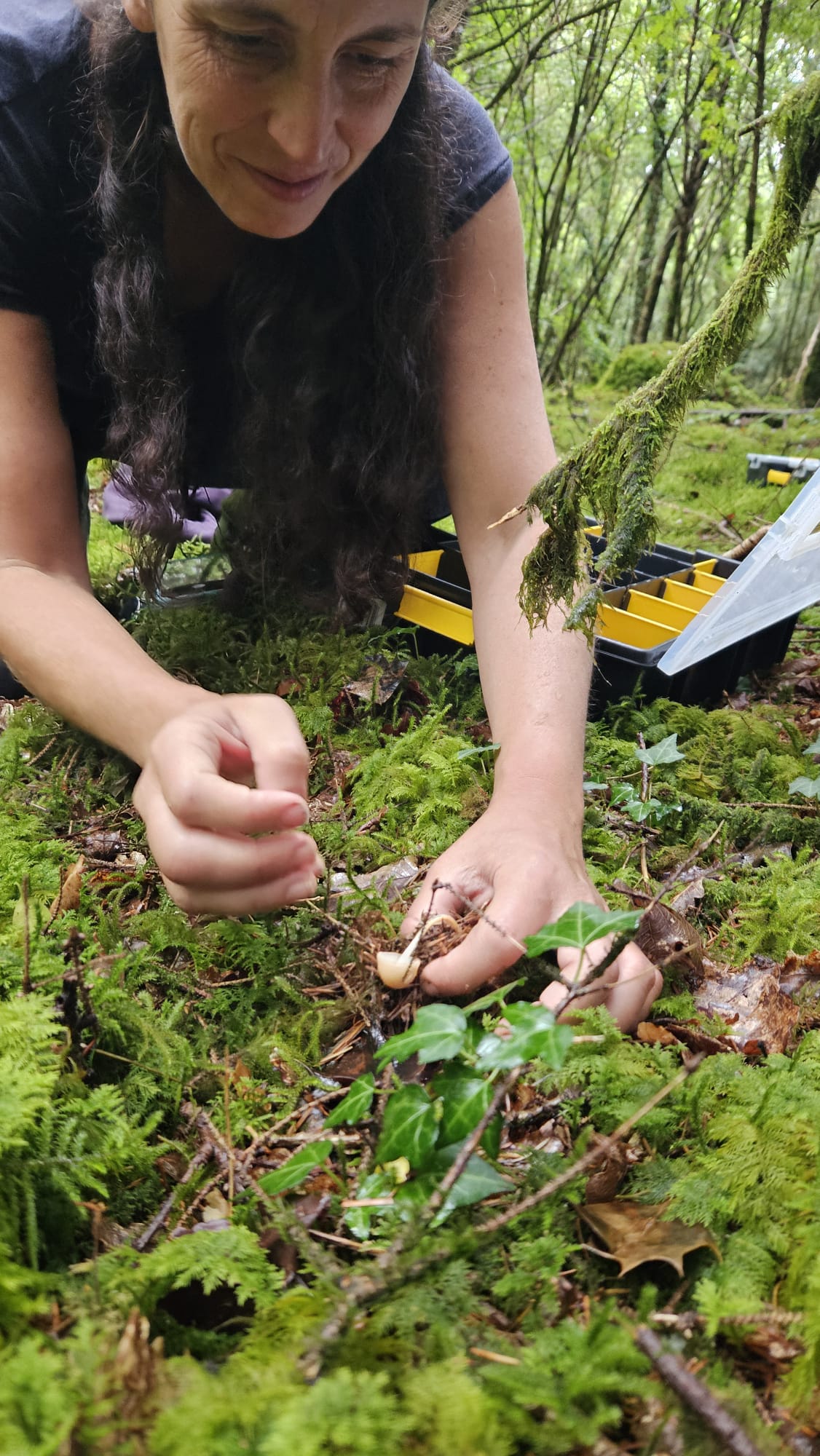
We are planning a practical laboratory workshop at Coed Talylan to explore how locally occurring Trichoderma can be collected, isolated, cultured and studied. Participants will learn about the identification challenges and discuss how promising isolates might be assessed in carefully designed experiments.
The longer-term question is whether we can develop reliable, locally sourced fungal inoculants. Any trials involving unfamiliar isolates would need suitable identification, controls and appropriate laboratory oversight before field application.
3. Mushrooms and mulches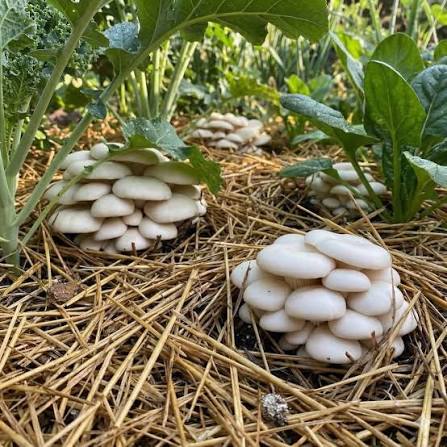
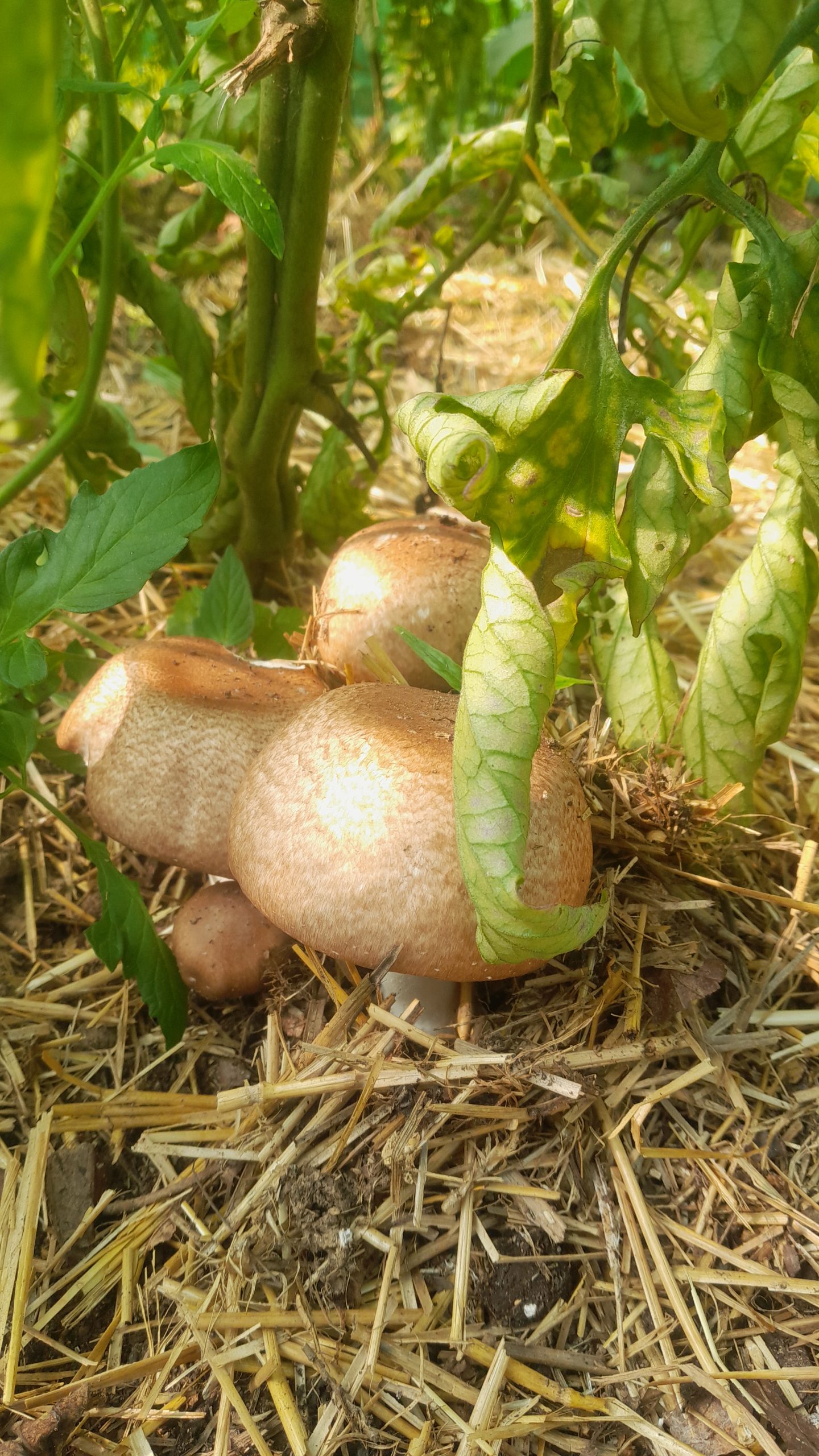
Could low-tech mushroom cultivation become a useful part of a market garden — producing an additional crop while making use of straw, woodchip and other local organic materials?
We will explore accessible approaches to growing oyster mushrooms and potentially other species suited to farm-scale substrates. We could offer practical cultivation training and spawn to help participating growers get started.
An important part of this investigation is what happens to the substrate. We want to compare spent mushroom substrate, actively colonised fungal mulches and ordinary uninoculated mulches to see how they affect soil cover, moisture, nutrient cycling and crop performance. The aim is to distinguish the effects of adding organic material from any additional effects of the fungi themselves.
How will the programme work?
We propose to begin with a practical workshop bringing interested growers together to examine the existing research, share experience and design a small number of achievable experiments. From there, participants can choose which investigation interests them and how much time they can contribute.
Some growers may want to run a simple trial in a bed or polytunnel. Others may be more interested in mushroom cultivation, learning microscopy or helping with fungal cultures and record keeping. We hope to compare results across different growing sites using straightforward observations and measurements such as crop growth, marketable yield and input requirements.
Coed Talylan can provide practical training, mycology resources and access to laboratory and microscopy facilities. The project is intended to be collaborative: growers will help decide the research questions and develop methods that are realistic for small-scale horticulture.
Do I need experience in mycology?
No. You do not need scientific training or specialist equipment — just an interest in trying things out and sharing what you learn. Experienced growers, mushroom cultivators, researchers and people with practical or laboratory skills are all welcome.
Why investigate these questions?
Fungi are central to soil ecosystems, but biological inoculants and fungal amendments do not always produce consistent benefits. Farming with Fungi is interested both in introducing useful organisms and in creating the growing conditions that allow beneficial fungi already present in the soil to function well. We want to explore these possibilities critically, with simple comparisons rather than assuming any particular method is a proven solution.
This work forms part of our wider aim of provisioning the hyphosphere — managing horticultural systems around the relationships between plant roots, fungal hyphae and other soil microorganisms.
Get involved
If you are interested in attending an initial workshop or helping develop one of these investigations, please complete the short form below. You can indicate which research areas interest you and the kinds of activities you might like to take part in.
Register your interest – Farming with Fungi
Workshop dates and the programme of trials will be developed in response to the interests and availability of participants,